Vetting Hub, Specialist Training Courses in Screening, Vetting and Compliance
Expert training for confident hiring, identity assurance and people based risk decisions, created by Graham and Vivianne Johnson with industry experience since 2006.
- Jan 30, 2026
Self-Employed DBS Checks: What Changed on 21st January 2026
21st January 2026.
That's when self-employed workers in England and Wales gained access to Enhanced DBS checks for the first time.
Before this date? Private tutors, therapists, personal carers, and thousands of other self-employed professionals could only apply for Basic DBS checks. Not good enough for working with children or vulnerable adults.
After this date? They can finally apply for Enhanced checks themselves—closing a safeguarding gap that's existed for years.
Nine days ago, this changed. Do you know how it affects you?
About the Authors: Graham and Vivianne Johnson ran screening and vetting companies from 2006 to 2025. They launched Vetting Hub in 2025 to make their 19 years of operational knowledge accessible at cost-effective prices. All Vetting Hub courses are CPD Certified and VH Courses is listed on the UK Register of Learning Providers (UKRLP: 10006126).
What Actually Changed on 21st January?

The change is specific but significant.
Before 21st January 2026:
Self-employed people could only apply for Basic DBS checks themselves
Enhanced checks required an organisation to apply on their behalf
Many self-employed professionals working with vulnerable groups had no way to get proper checks
After 21st January 2026:
Self-employed individuals can now apply for Enhanced DBS checks directly
Enhanced with Barred List checks are also available (where eligible)
Applications go through registered umbrella bodies
This legislative change came from recommendations by the Independent Inquiry into Child Sexual Abuse (IICSA), which highlighted serious safeguarding gaps for children and vulnerable adults receiving services from self-employed professionals.
Training Tip: The 21 January change doesn't replace organisational DBS processes. If you're hiring self-employed contractors, you should still conduct your own checks and verification. Their self-obtained Enhanced DBS is supplementary evidence, not a replacement for your due diligence.
Who Does This Apply To?
Not every self-employed person needs—or can get—an Enhanced DBS check.
Eligibility is strict. You must be:
Self-employed or a personal employee (being paid for your work)
Working in regulated activity with children and/or vulnerable adults
Regulated activity includes:
With children:
Tutoring or teaching children
Childminding or nannying
Coaching or instructing children
Youth work activities
Healthcare provision to children
With vulnerable adults:
Personal care services
Healthcare or therapy
Financial assistance or advice
Transportation services
Social work activities
If your work with vulnerable groups is frequent (once a week or more), intensive (four days or more in a 30-day period), or overnight, you're in regulated activity.
Important: You still need to meet DBS eligibility criteria. Enhanced checks aren't available for every role—only those specified under the Rehabilitation of Offenders Act 1974 (Exceptions) Order 1975.
When we ran screening companies from 2006 to 2025, we saw countless self-employed professionals struggle with this. They'd contact us saying, "I need a DBS check to work," but had no employer to apply on their behalf. The 21 January change finally fixes this gap.
How Self-Employed People Apply

Here's where it gets practical.
You cannot apply directly to the DBS. Even with the new guidance, Enhanced checks must go through a registered organisation.
The process:
Find an umbrella body registered with the DBS who can process your application
Verify you meet eligibility for Enhanced or Enhanced with Barred List checks
Complete the application through their system (digital verification typically required)
Provide identity documents (must meet DBS requirements)
Pay the fee (currently £56.60 for Enhanced, £66.60 for Enhanced with Barred List)
Receive your certificate (sent to you directly, processing time varies)
Several organisations now offer this service specifically for self-employed professionals:
First Advantage
Due Diligence Checking (DDC)
Personnel Checks
Other registered umbrella bodies
Critical point: Your certificate doesn't go to an employer—it comes straight to you. You then show it to clients, organisations, or parents who want to see proof of your safeguarding checks.
Learn the complete DBS checking process in our Understanding DBS Checks (UK) Course (£49), which now includes the January 2026 self-employed guidance updates.
What Hasn't Changed
Don't assume everything's different. Several things remain the same:
Organisations hiring self-employed contractors should still:
Conduct their own DBS checks where they're the engaging party
Verify eligibility properly
Make safeguarding decisions based on results
Follow their existing screening policies
The DBS Update Service:
Still available (£16 annual subscription)
Highly recommended for self-employed professionals
Allows clients to check your status online with your permission
Saves reapplying every time you start with a new client
Our Creating a Screening Policy & Framework Course (£89) covers how organisations should handle self-employed contractors under the new guidance.
Barred List checks:
Still only available for specific regulated activity roles
Cannot be requested unnecessarily
Criminal offence to employ someone knowingly on the barred list
Scottish and Northern Irish professionals:
England and Wales only for this change
Disclosure Scotland and AccessNI have separate processes
Cross-border working requires understanding all three systems
Since 2006, we've seen how easily screening gets misunderstood across UK jurisdictions. That's why we built VH Courses—to make these complexities accessible through our CPD Certified training platform.
Why This Matters for Private Employers
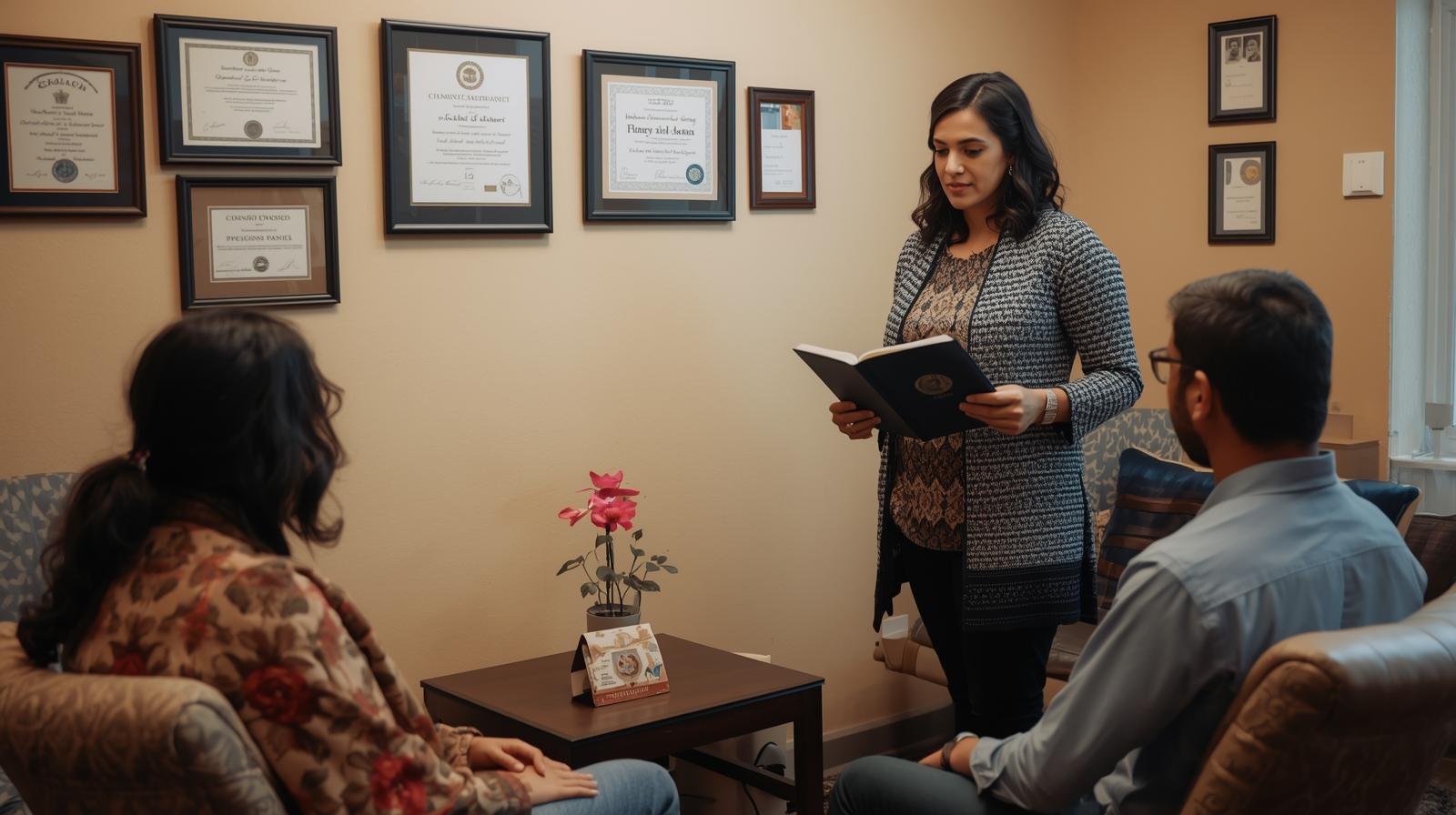
If you're hiring self-employed professionals to work with your children or vulnerable family members, this changes how you verify their suitability.
Before 21 January: You had to rely on the self-employed person asking an organisation to run their check. Many couldn't get one at all.
After 21 January: You can reasonably expect self-employed tutors, carers, therapists, and similar professionals to present an Enhanced DBS certificate obtained through an umbrella body.
What you should do:
Ask to see their Enhanced DBS certificate before engagement
Check the certificate date (how recent is it?)
Verify it's the right level (Enhanced or Enhanced with Barred List where needed)
Ask about Update Service subscription (lets you check for changes with their permission)
Make your own safeguarding decision (certificate doesn't make the decision for you)
The Risk Assessment in Background Screening Employees Course (£59) teaches you how to evaluate DBS information properly—essential for private employers making these decisions.
Common Misconceptions About the Change
Misconception 1: "All self-employed people can now get Enhanced DBS checks"
Reality: Only those in eligible roles working with children or vulnerable adults. Your accountant or plumber still can't get an Enhanced check—they don't need one.
Misconception 2: "This replaces organisational checks"
Reality: Schools, care homes, and other organisations should still run their own checks. This supplements, not replaces.
Misconception 3: "I can apply directly on gov.uk"
Reality: You must go through a registered umbrella body. There's no direct gov.uk application route for self-employed Enhanced checks.
Misconception 4: "My Basic check is now invalid"
Reality: Basic checks are still valid and appropriate for many roles. Enhanced is only needed for specific vulnerable group work.
Misconception 5: "I'll get my certificate faster now"
Reality: Processing times haven't changed. Enhanced checks still take 2-8 weeks depending on local police checks.
For comprehensive understanding of all DBS check types and when each applies, our Pre-Employment Screening & Vetting Essentials Course (£79) covers the complete landscape—including these January 2026 changes.
Practical Next Steps

If you're self-employed:
✅ Determine if you need an Enhanced check (regulated activity with vulnerable groups?)
✅ Research umbrella bodies offering this service
✅ Gather your identity documents (prepare before applying)
✅ Consider the Update Service (£16/year, valuable for multiple clients)
✅ Update your marketing (show clients you're safeguarding-compliant)
If you're hiring self-employed contractors:
✅ Update your screening policy to reflect the 21 January change
✅ Decide your requirements for self-employed DBS evidence
✅ Train your team on the new guidance
✅ Don't drop your own checks (you're still responsible)
✅ Verify certificates properly (check authenticity, date, level)
If you're a private employer:
✅ Ask for Enhanced DBS certificates from tutors, carers, therapists
✅ Understand what the certificate shows (and doesn't show)
✅ Request Update Service access (with their permission)
✅ Make informed decisions (certificate is information, not a pass/fail)
✅ Keep appropriate records (but follow GDPR—don't keep copies)
The GDPR Training Course (£45) and Data Protection Policies & Procedures UK Course (£55) cover how to handle DBS information lawfully—especially important now that individuals may be managing their own certificates.
The Bigger Picture
This change didn't happen in isolation.
It's part of broader safeguarding improvements following IICSA recommendations and growing recognition that protection shouldn't depend on employment status.
Other recent changes:
Pharmacy Enhanced DBS requirement (31 March 2026 deadline)
Digital ID verification expansion (October 2025 updates)
Right to Work enforcement escalation (£45k-£60k fines since April 2025)
All point in the same direction: higher compliance expectations, better safeguarding, more accountability.
We launched Vetting Hub in 2025 specifically because these changes demand better training. Our 19 years running screening companies taught us that compliance failures happen because people don't understand the requirements—not because they don't care.
That's why all our courses are CPD Certified and VH Courses is listed on the UK Register of Learning Providers (UKRLP: 10006126). Professional development, accessible pricing, practical application.
Final Thoughts
21st January 2026 closed a significant safeguarding gap.
Self-employed professionals can now obtain Enhanced DBS checks themselves. Private employers can expect proper verification. Children and vulnerable adults get better protection.
But understanding the change matters as much as the change itself.
If you're self-employed, know your eligibility and how to apply properly.
If you're hiring, don't assume a certificate means you're covered.
If you're employing privately, ask the right questions and verify appropriately.
The mechanics have changed. The principles haven't. Safeguarding is everyone's responsibility—whether you're employed, self-employed, or somewhere in between.
Need comprehensive screening and vetting training?
Browse our complete guide to employee screening and vetting training or explore our UK Employment Screening & Legal Compliance Essentials Bundle which includes DBS, Right to Work, and GDPR training at cost-effective pricing.
All courses independently accredited. No subscriptions. Learn once, implement properly.